Stress may not always be visible, but its impact on our lives and health is undeniable. Stress eating is one example of how we respond to emotional stress in life. Using food as a way to cope with stress is fine, but the problem lies when we use food as the only way to cope with our emotions.
Here are 10 ways that you can use to help cope with stress other than through food:

Connect with others
Share your concerns with someone you trust, like your partner, parents, siblings, or friends. They may help you sort through the problem, see the situation more clearly or look at the problem in a new way.

Use guided meditation
You can focus your attention and eliminate the stream of jumbled thoughts that may be crowding your mind and causing stress during the process.

Practice deep breathing
When you breathe deeply, it sends a message to your brain to calm down and relax, this message sends further to your body.

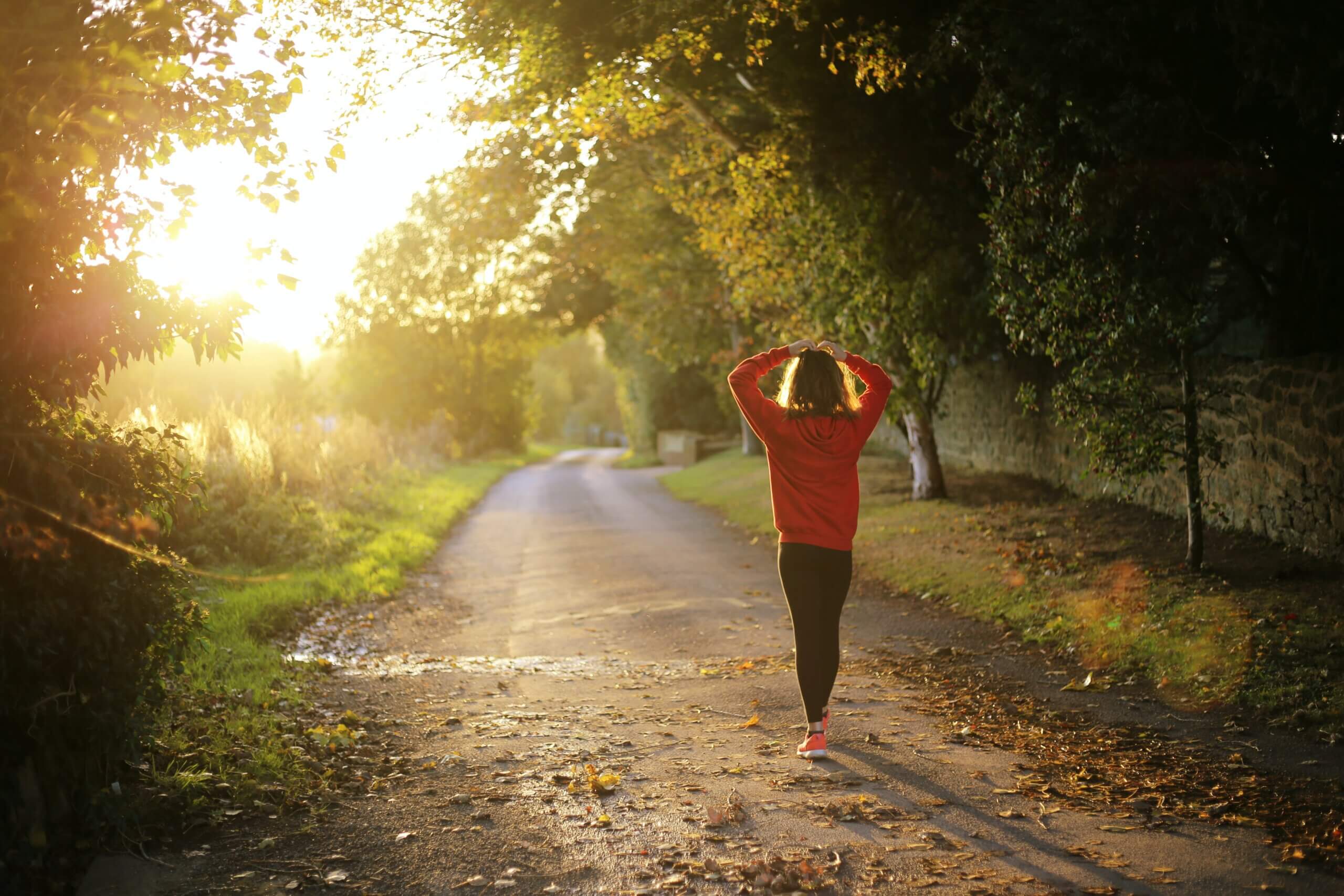
Exercise regularly
Regular exercise can improve your mood, help you relax, and lower symptoms of mild depression and anxiety
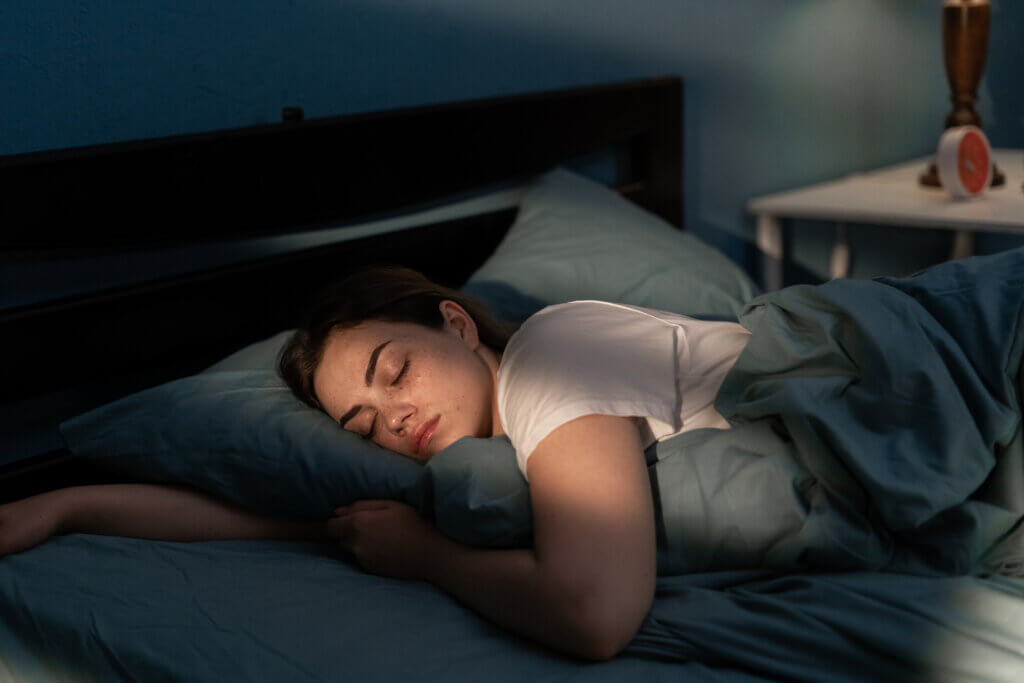
Get plenty of sleep
Sleep is a stress reducer that calms and restores the body, improves concentration, regulates mood, and sharpens judgement and decision-making. Well-rested individuals are better at handling stress and solving problems.

Manage social media time
According to a study, 230 undergraduate students from a sizable university in the Midwest who reduced their daily social media usage to 30 minutes showed a significant reduction in their feelings of anxiety, depression, loneliness, and fear of missing out.
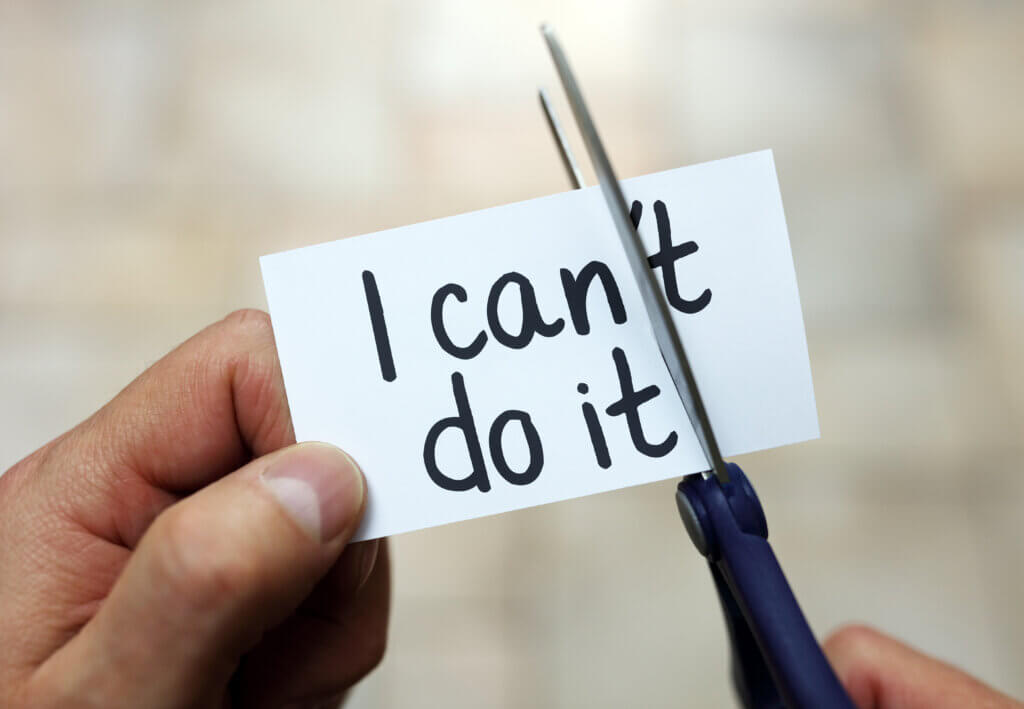
Positive thinking
Having a positive attitude enables you to cope better with stressful situations, which reduces the harmful effects of stress on your body.

Write it out
Writing can help reduce stress by assisting in the fight against intrusive and negative thoughts. By putting experiences in writing, you can better reflect on them and, as a result, focus on the positive aspects of your experience by placing them in perspective.

Listen to music
Music has a calming and stress-relieving effect. You can feel optimistic when listening to upbeat music, and a softer beat can calm your thoughts, hence relieving the stress of the day.

Take a Vacation
By improving your mental and emotional state, taking a break from everything can reset your stress tolerance, which makes you a happier, more productive person upon return.
Takeaway
There are various ways to reduce stress. It is important to find self-care or de-stressing activities that you can enjoy and can see yourself doing regularly.
Coping with stress, anxiety and feeling down can be hard at times. If these emotions linger or you are suffering from a stressful situation beyond your control, it may be a sign for you to connect with someone you trust and/or seek professional help.